National AI Skills Forum 2026
Two days, three venues, and the national conversation about AI skills.
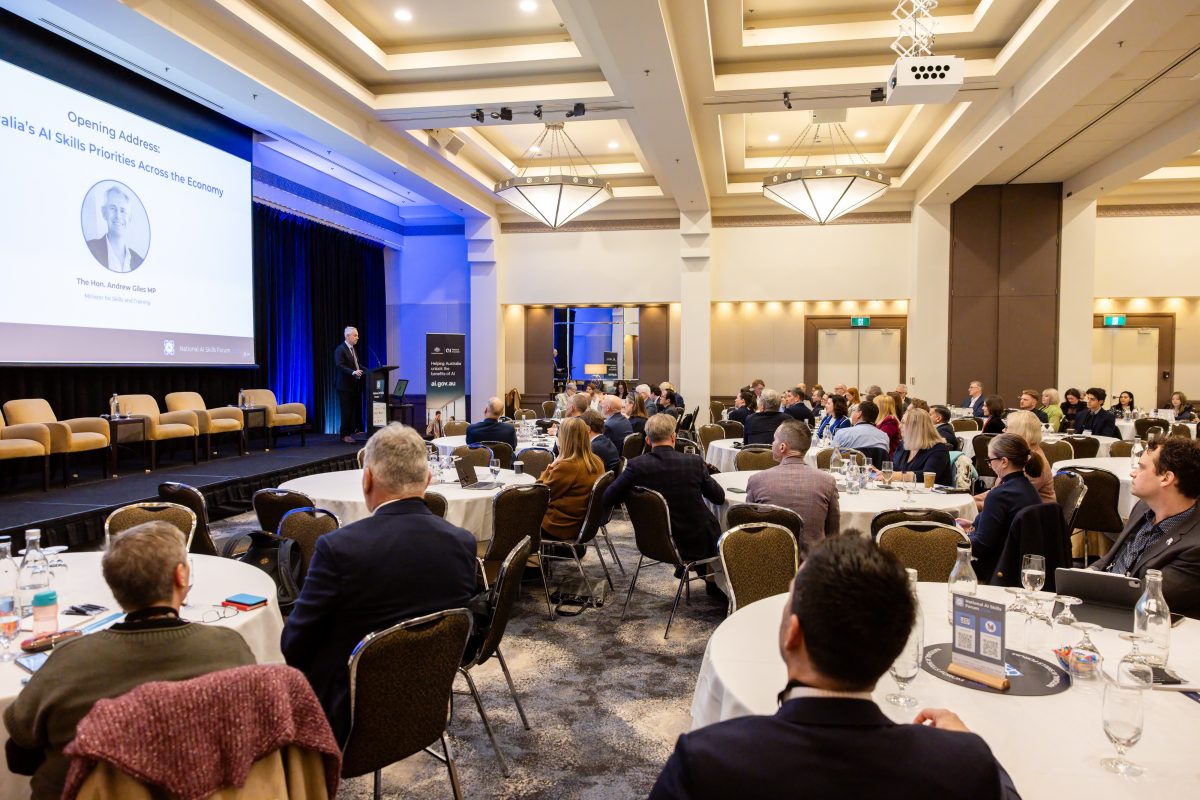
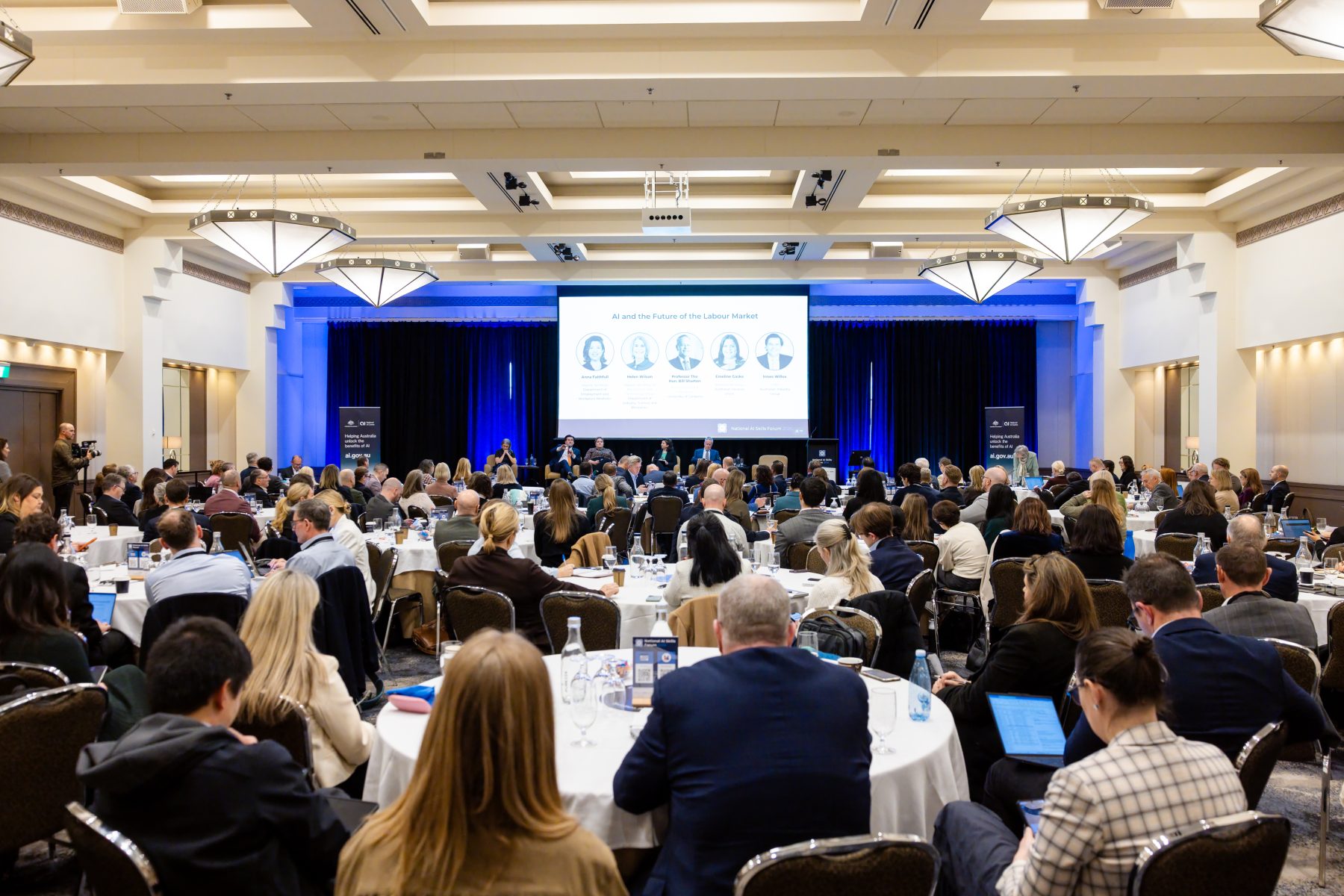
Australia’s first National AI Skills Forum brought more than 270 leaders from government, industry, education and unions to Canberra, around a $116 billion question: whether the country can build the workforce capability to capture the economic benefit of AI. Presented by Future Skills Organisation with the National AI Centre, the program ran to more than 40 speakers across two days, MC’d by Ellen Fanning, opened by the Minister for Skills and Training and closed by the Minister for Employment and Workplace Relations.
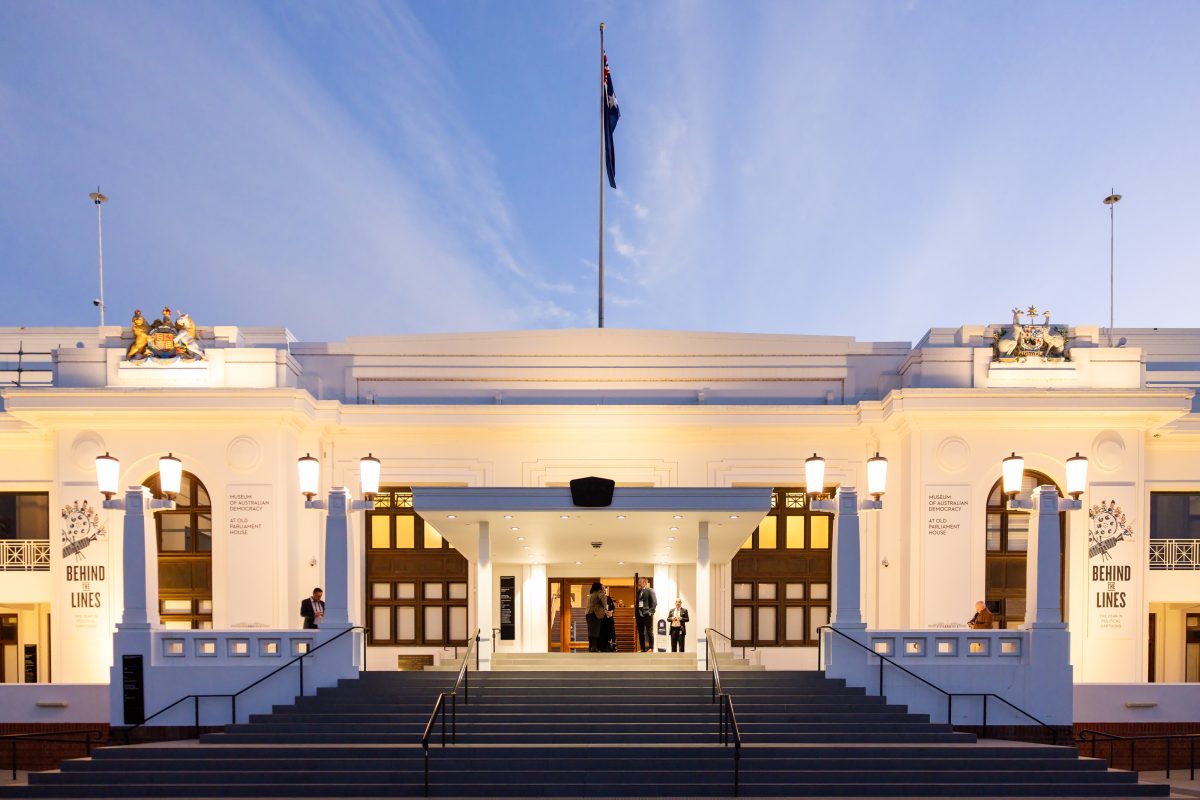
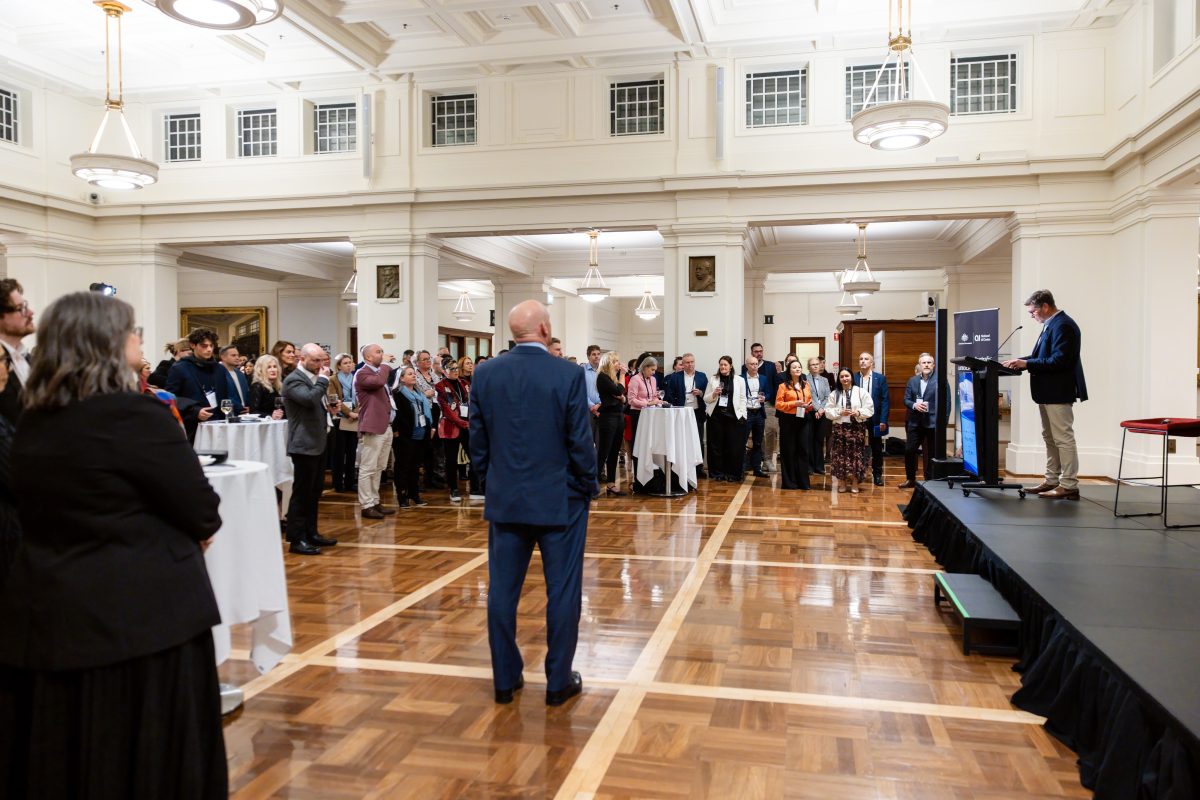
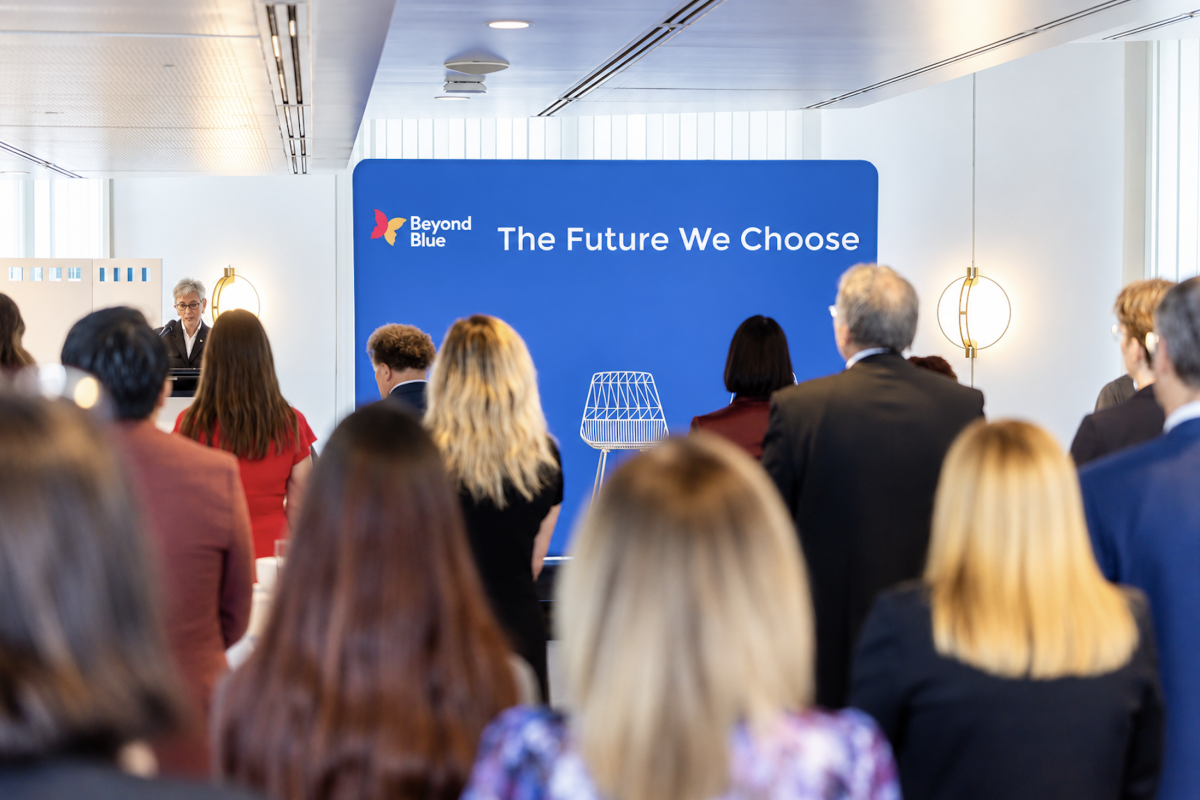
Damsel and Sprout delivered the production across three venues in two days. An afternoon of workshops at the University of Canberra, an evening function in King’s Hall at Old Parliament House, and a full day forum in the Federation Ballroom at the Hyatt. Three very different rooms with three different sets of rules, run as one event.
Client: Future Skills Organisation
Year: 2025, 2026
Venue: Ann Harding Conference Centre, University of Canberra; King’s Hall, Old Parliament House; Federation Ballroom and breakout rooms, Hyatt Hotel Canberra
Format: Two-day national forum with an evening networking function
Audience: More than 270 leaders across the Forum. 170 on day one, 200 at the evening function, and 270 on day two
What we delivered
- Room setup, pack down and site logistics across all three venues
- Venue coordination and liaison
- Custom web and app platform development
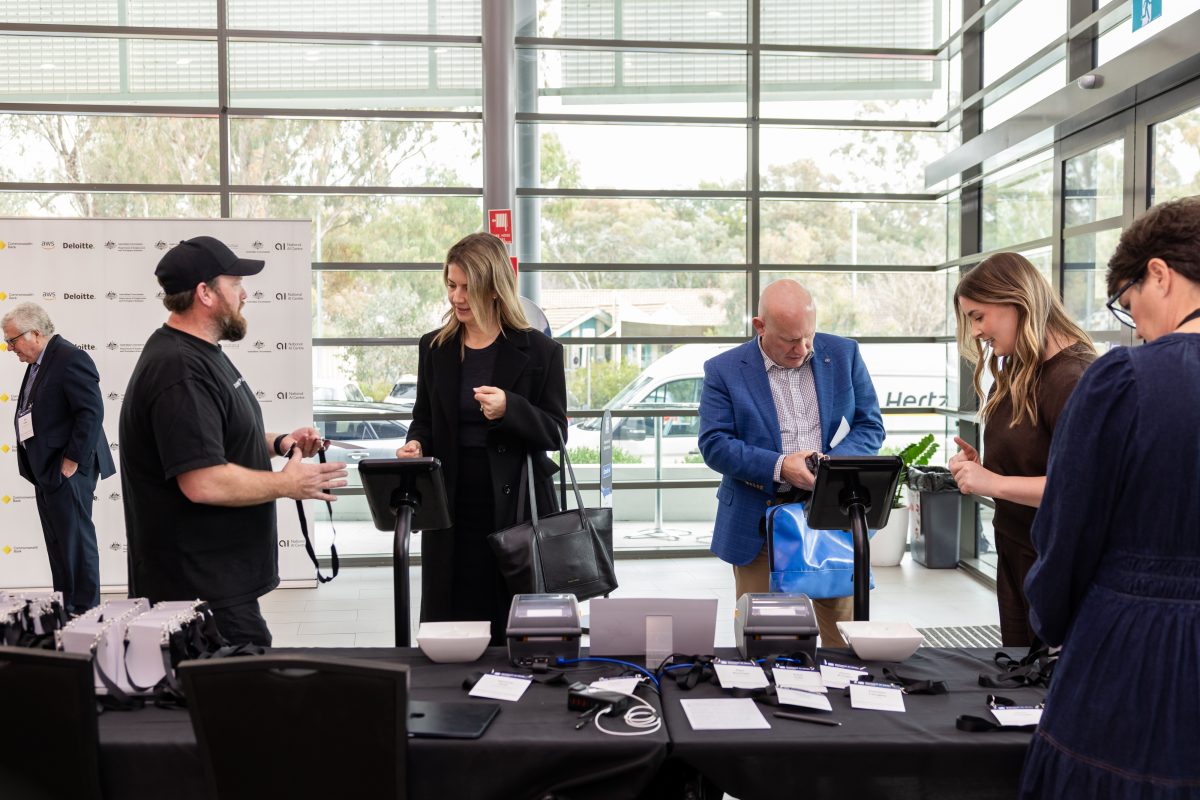
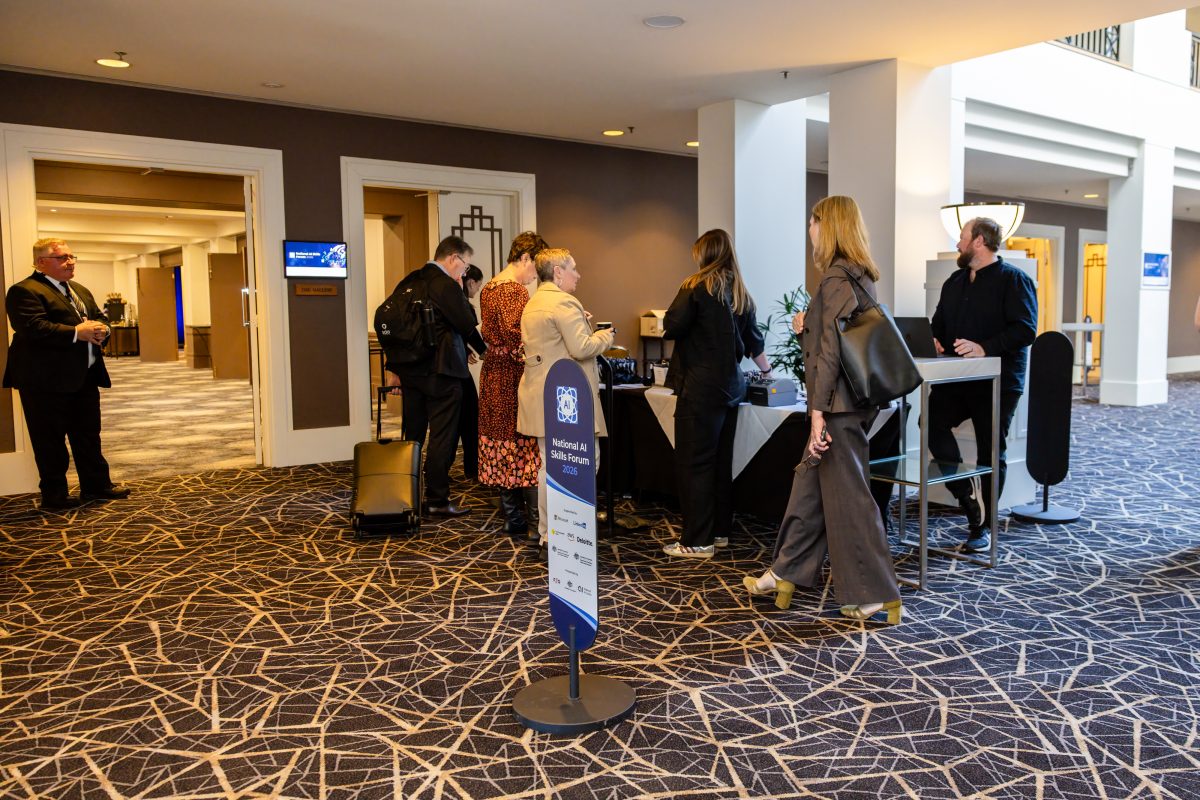
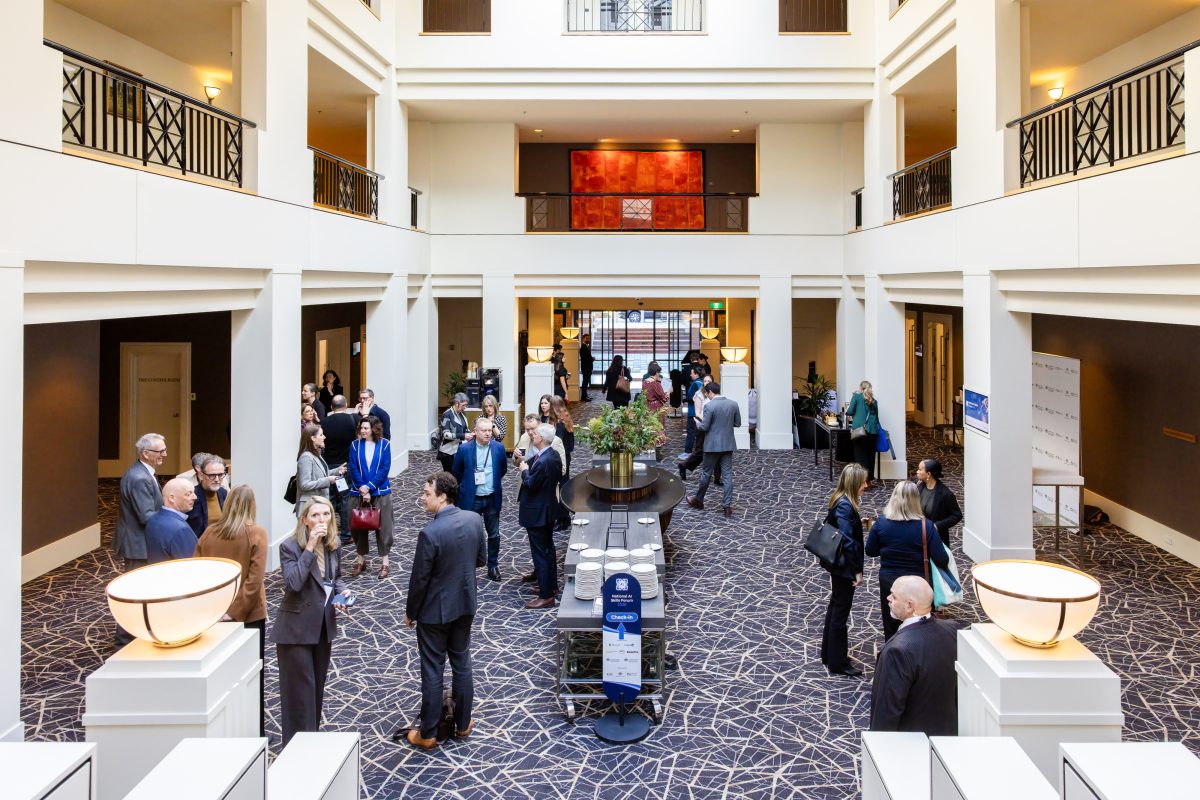
- Registration, check-in and onsite badge printing via digital kiosks
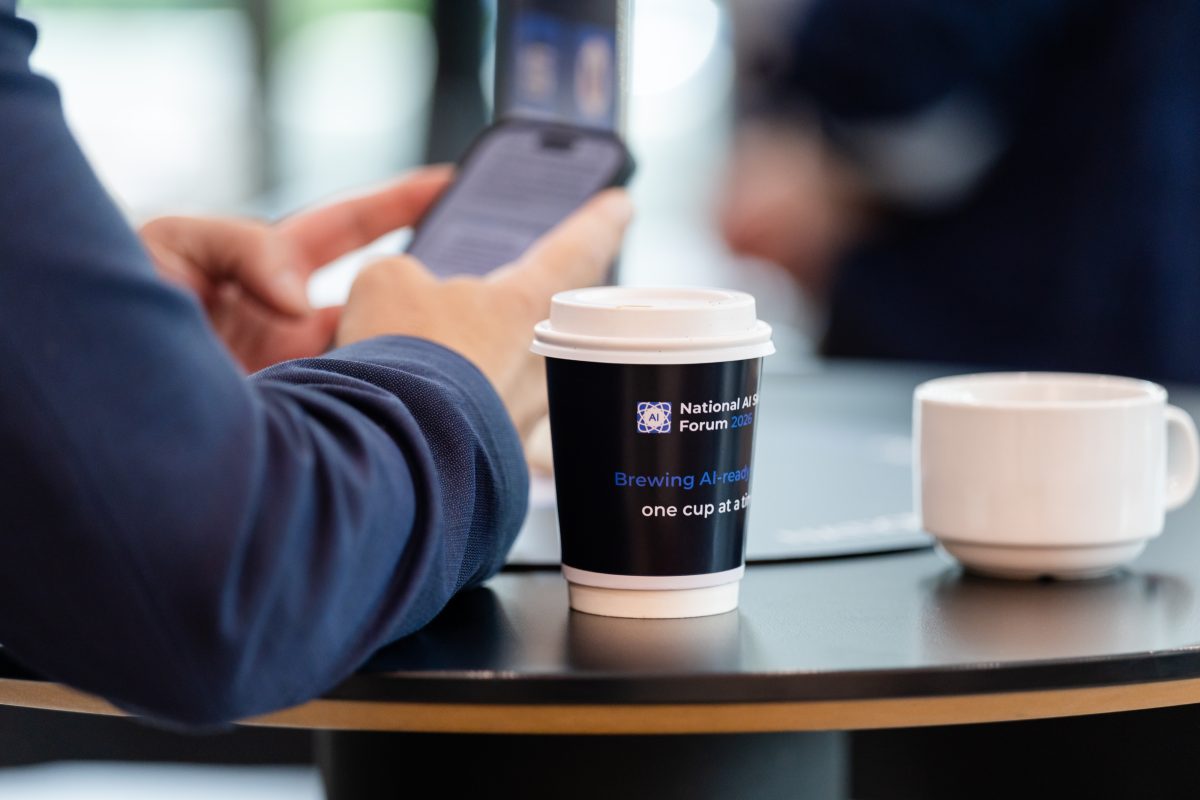
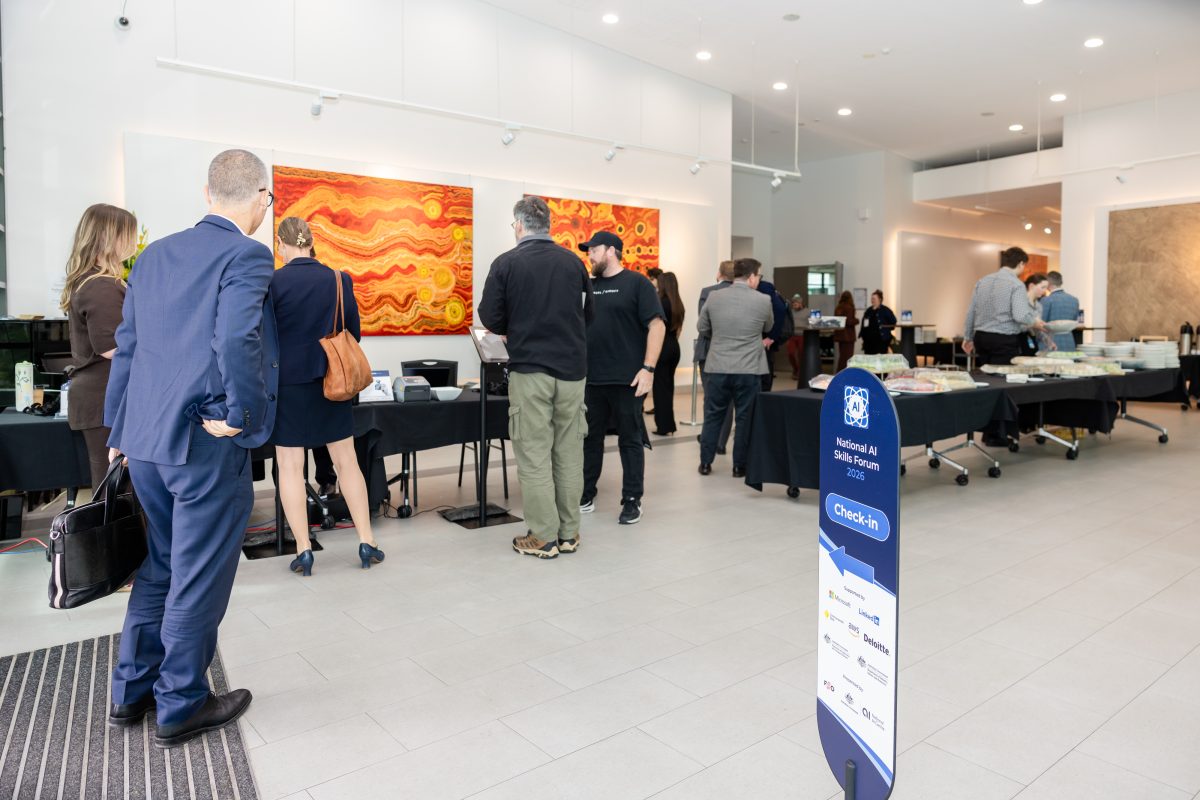
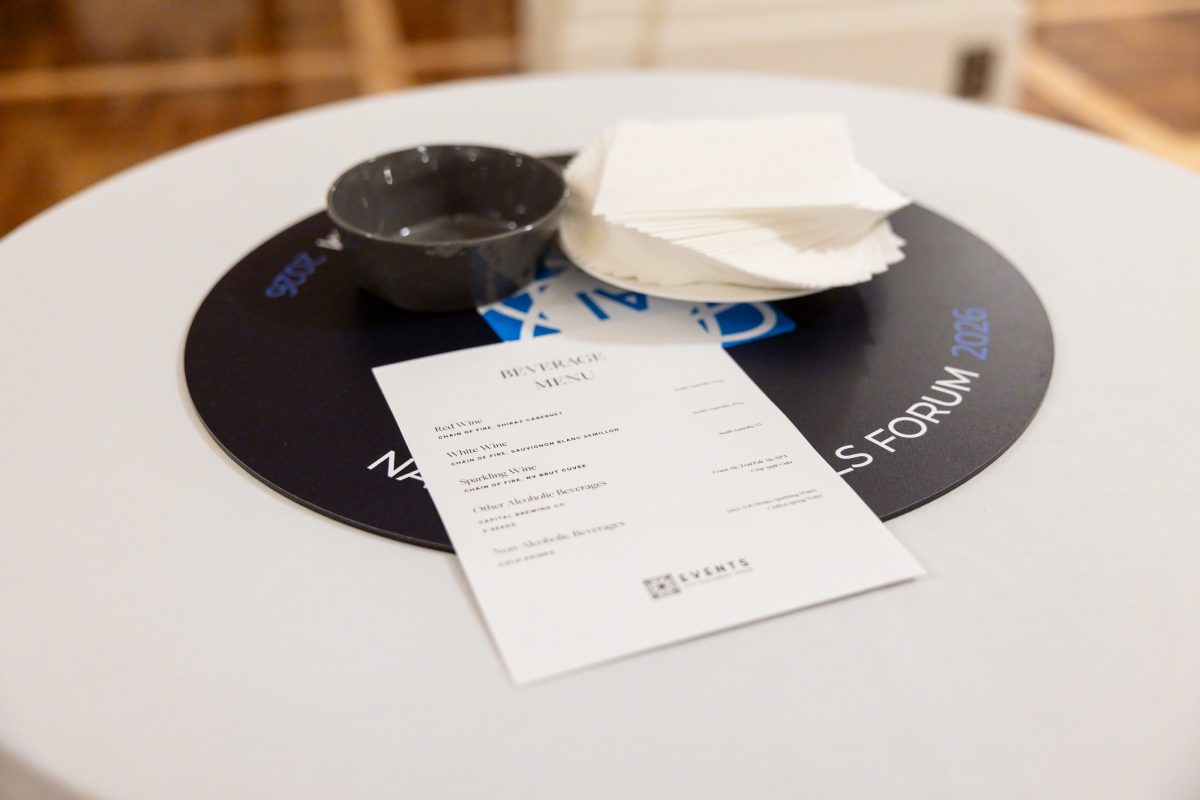
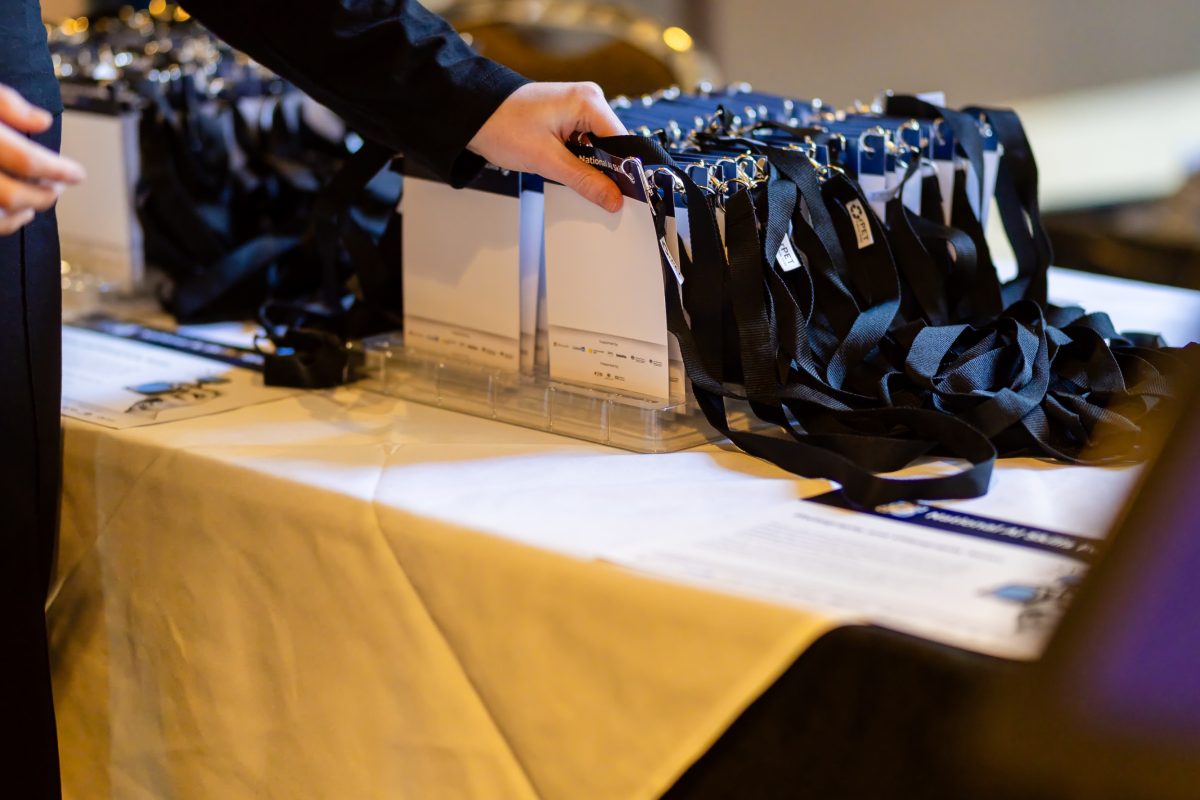
- Print production of the full signage and collateral kit to FSO’s designs: lanyards, wayfinder pill signs, lectern signs, media wall, information table cards and branded table disks
A recorded opening, a keynote and a signed agreement
Day two carried a recorded opening address from Sir Richard Branson, played into the Federation Ballroom after morning tea. Dr Michael Fung, Executive Director of the Institute for the Future of Education at Tecnológico de Monterrey, delivered a keynote and stayed on stage for a fireside chat straight afterwards. His visit ended with FSO and the Institute signing a memorandum of understanding. Three different formats inside one session block, each with its own staging and sound requirements, and no break in the program to reset between them.
Forty speakers, two days, one running order
More than 40 speakers moved through the program across the two days, in workshops, panels, keynotes, a fireside chat, a recorded address and a signing. Every one of them needed the right room, the right vision and the right microphone at the right minute, with a national broadcaster on the mic holding it together. Program density is its own production discipline, and it is invisible when it works.
Three postcodes, one kit, twenty hours
Workshops finished at the University of Canberra at 4.30pm on Tuesday. Guests were in King’s Hall at Old Parliament House by 6pm. By 8am Wednesday the whole thing had moved to the Federation Ballroom at the Hyatt and was running a full day. Every piece of the physical kit moved with it: wayfinder pill signs on weighted bases, lectern signs, the media wall, table disks, information cards and the badges, all produced to FSO’s designs and staged out of our warehouse. Check-in was built three times, once at each venue, because a guest arriving at King’s Hall at 6pm should not have to explain themselves any more than one arriving at the Hyatt the next morning. Three bump-ins, three pack downs, three sets of venue rules, and one event as far as anyone in the room was concerned.
The queue that never formed
By Wednesday morning, 170 attendees already held a badge from day one and roughly 100 arrived new. Run as one line, that is a bottleneck at 8am in a hotel foyer. So the door was split. Two kiosk and paired printers handled new arrivals and printed on the spot, while a separate station checked in everyone who already had a lanyard by name. No queue, no duplicate badges, and the ballroom was full before the first session of the day.